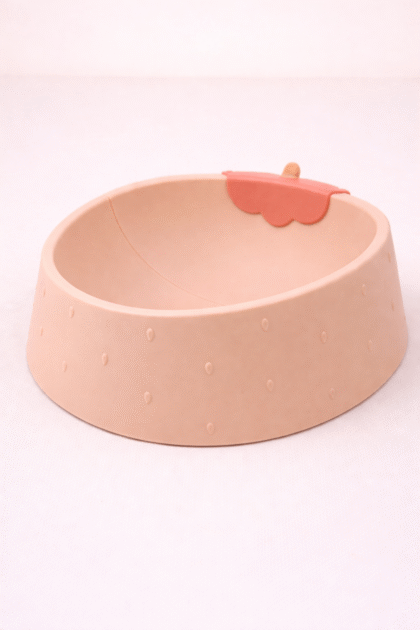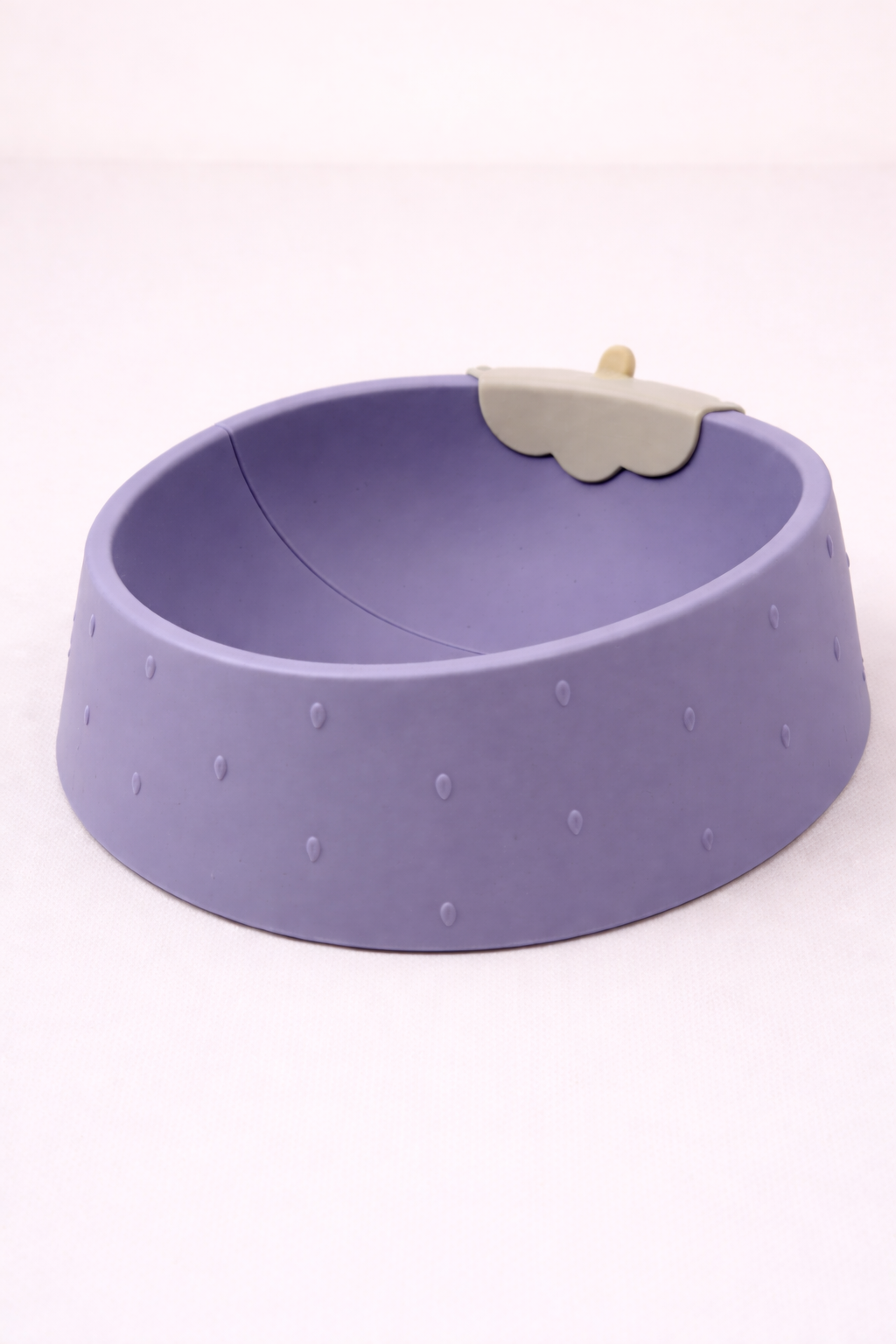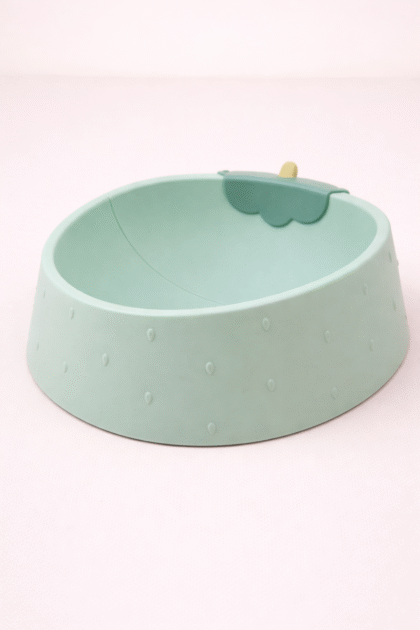


As pet parents, we all want the same thing: happy, healthy companions who feel safe and supported in our homes. But one of the most overlooked parts of pet wellness is behaviour—how our pets communicate, cope, and interact with the world around them. Understanding your pet’s behaviour isn’t just about solving problems; it’s about strengthening the bond you share and creating an environment where your pet can thrive.
Behaviour Is Communication
Every behaviour your pet displays—whether adorable, confusing, or frustrating—is a form of communication. Dogs bark for many reasons: excitement, alertness, anxiety, boredom. Cats may scratch furniture as a natural way to mark territory, stretch muscles, or relieve stress. Even small pets like rabbits or guinea pigs express emotions through body posture, vocalizations, and movement patterns.
Instead of viewing behaviour as “good” or “bad,” it’s more effective to ask: What is my pet trying to tell me? Often, unwanted behaviours are rooted in unmet physical or emotional needs. By listening closely, we can respond in ways that build trust rather than tension.
Mental Stimulation Matters
Just like humans, pets need mental engagement to feel fulfilled. Dogs left without enrichment may resort to chewing shoes, digging, or excessive barking simply because they’re bored. Cats may over-groom or become lethargic when their environment lacks stimulation.
Simple additions like food-puzzle toys, lick mats, treat-dispensing balls, or rotating play accessories can make a world of difference. These tools support natural instincts—like hunting, foraging, and problem-solving—while providing healthy outlets for energy and curiosity.
The Power of Routine
Predictability helps pets feel secure. A consistent daily schedule for feeding, exercise, rest, and enrichment builds confidence and reduces stress. Changes in routine—such as a new household member, moving homes, or even rearranging furniture—can confuse pets and lead to behavioural shifts.
When life changes are unavoidable, offering extra reassurance, enrichment, and quiet spaces can help your pet adjust more comfortably.
Social Needs and Safe Spaces
Every pet has unique comfort levels around people, other animals, and new environments. Some dogs are social butterflies; others prefer calm, quiet settings. Cats may enjoy affection on their terms but still appreciate dedicated hiding spots where they can retreat.
Providing your pet with safe zones—cozy beds, elevated perches, or quiet corners—helps them self-regulate when they feel overwhelmed. Respecting these boundaries boosts their confidence and reduces stress-related behaviours.
Training as Bonding
Positive reinforcement training isn’t just about teaching skills—it’s about building connection. Reward-based methods encourage pets to repeat desirable behaviours while strengthening trust between you and your companion. Whether it’s sit-and-stay practice with treats, clicker training, or interactive play sessions, consistency and kindness go a long way.
Supporting Behaviour With the Right Products
The right tools can make healthy behaviour easier for your pet. Enrichment toys, calming beds, durable chews, interactive feeders, training treats, and scent-based relaxation products all play a role in supporting emotional wellbeing.
Understanding your pet’s behaviour is a journey, not a destination. By tuning into their needs and providing enriching, supportive experiences, you’re helping your pet live their happiest life—and strengthening your bond every step of the way.